The 3 Things You Must Check Before Upgrading Your Old Car’s Stereo (Avoid Costly Mistakes)
1. The Annoying Pain Point (This is the Big Rip-Off)
Lately, tons of car guys have hit me up complaining about their old car stereo upgrades: they dropped hundreds on a new stereo, only to find it doesn’t fit the dash, it won’t connect to the car’s speakers, it drains the battery dead overnight, or the audio quality is worse than the original. Let’s be real, this sucks. You saved up cash to upgrade your ride’s sound, but instead, you’re stuck with a useless stereo and a lighter wallet. Who wouldn’t be furious? This isn’t some bad luck—it’s an open secret in the car audio aftermarket, and it happens all the time.
I’ve had guys come into my shop crying (okay, maybe not crying, but pretty close) after a dealer or big-box store charged them $200 for installation, only to leave the stereo wobbly in the dash and the speakers crackling. They thought they were getting a good deal, but they ended up paying for a mess. Trust me, I’ve seen this play out a thousand times.

Quick Summary
Botched old car stereo upgrades usually stem from skipping 3 critical pre-upgrade checks, not poor products.
These 3 checks will help you avoid fit issues, electrical problems, and wasted cash on incompatible parts.
Following the pro tips can save you hundreds in installation fixes and replacement parts.
2. Deep Dive (Why Does This Happen?)
A lot of people think their stereo upgrade went wrong because they bought a "cheap" stereo, or because the installer was just bad at their job. Let me tell you— that’s almost never the case. I’ve been in the car stereo game for 15 years, and I’ve seen every trick in the book. To put it plainly, there are two core reasons these upgrades go south:
Reason A: No One Checks Dash Compatibility First – Every car make and model has a unique dash size (even different years of the same car can vary!). Most people just buy a stereo they like online, without checking if it fits their old car’s dash. Then they either have to hack up the dash (ruining it) or buy expensive adapter kits that the salesmen never mentioned. Car manufacturers don’t standardize dash sizes, and retailers love selling stereos without warning you about fit issues.
Reason B: Ignoring the Car’s Electrical System & Speaker Impedance – Old cars have weak electrical systems and specific speaker impedance (basically, how much power the speakers can handle). A new stereo with too much power will blow out old speakers, or drain the battery. If the wiring doesn’t match, you’ll get static, no sound, or even electrical fires (scary, right?). Salesmen don’t tell you this because they just want to make a sale, not educate you.
Don’t fall for the salesmen’s hype about "universal fit" or "premium sound" with no strings attached. That’s all hot air. The bottom line is: old car stereo upgrades go wrong because people skip basic checks, and retailers intentionally leave out critical info to make a quick buck.
3. The Fix (A Pro's Secret Tips)
So, is there no way to upgrade your old car’s stereo without a disaster? Absolutely not. If you don’t want to waste money on botched installs or incompatible parts, here’s my 3-step, budget-friendly solution that works every time:
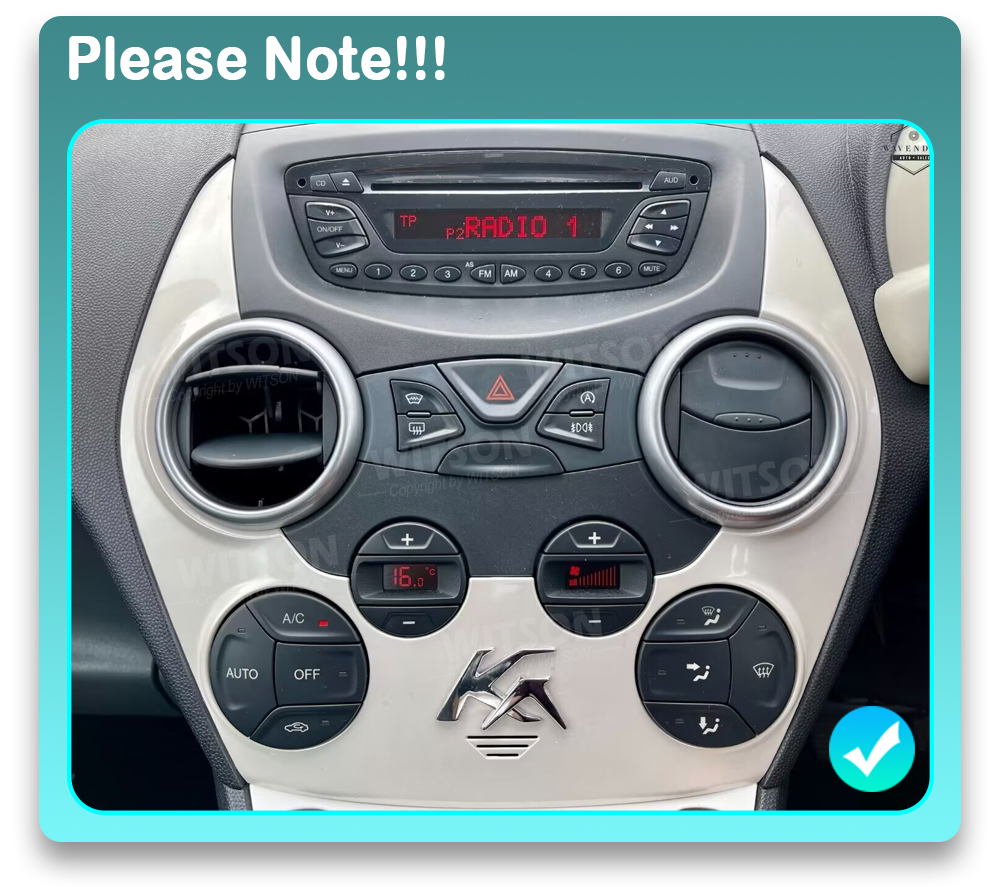
Step 1: Verify Dash Fit & Get the Exact Mounting Kit – First, look up your car’s year, make, and model on a trusted car audio site (like Crutchfield) to find the exact stereo size that fits. Then, buy the matching dash mounting kit and wiring harness (don’t cheap out here—generic kits cause gaps and wiring messes). Pro tip: Take a photo of your dash and current stereo to show the parts store, just to be safe.
Step 2: Check Electrical System & Speaker Impedance – Pop your car’s hood and check the battery voltage (it should be 12.6V when off). If it’s lower, upgrade the battery before installing a new stereo. Then, find your speaker impedance (usually 4 ohms for most cars) and make sure the new stereo’s power output matches it (don’t buy a 2-ohm stereo for 4-ohm speakers!). This avoids blown speakers and dead batteries.
Step 3: Test Before Full Installation (And Skip the Big-Box Installers) – Before you bolt the stereo into the dash, connect the wiring harness temporarily and test the sound, Bluetooth, and all functions. If something’s wrong, you can fix it without damaging the dash. Also, skip big-box store installers—hire a local independent shop (they’re cheaper and more experienced, usually $50-$100 vs. $200+ at chain stores).
Trust me, follow this process, and you’ll save at least $200-$400 in unnecessary mounting kits, speaker replacements, and fix-it installation fees (those chain stores love charging a fortune to fix their own mistakes).

4. Final Word (A Pro's Honest Reminder)
Upgrading your old car’s stereo doesn’t have to be a nightmare. The real issue isn’t the stereo itself—it’s skipping the 3 critical checks that prevent fit, electrical, and audio issues. Stick to my 3-step fix, and you’ll get a great-sounding stereo that fits perfectly, without wasting a fortune. And if you’re ever unsure, swing by a local independent car audio shop—we’re always happy to help (and we don’t charge you just to ask questions, unlike the dealers). Trust a guy who’s been turning old car stereos into bangers for 15 years.